
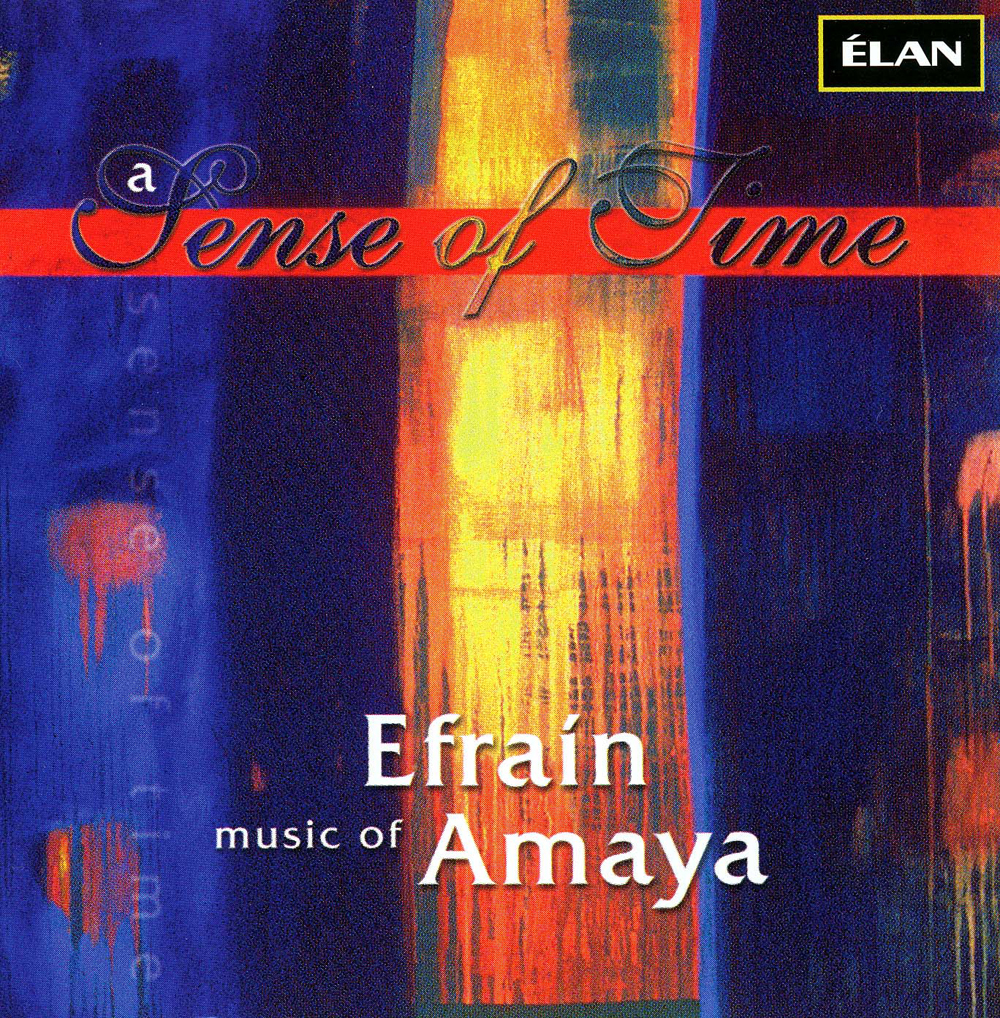
Program notes
El Cuarteto de Cuerdas No. 1 fue escrito en el año 1981 mientras estudiaba composición en Indiana. Consta de tres movimientos. El primero (Allegro) tiene una forma de sonatina libre, en la cual hay una presentación del cuarteto en una forma imitativa, siendo las sonoridades básicas las cuerdas al aire de los instrumentos (quintas) seguida por un tema marcial. Estos dos temas, a través de transformaciones y mutaciones, constituyen el primer movimiento. En el segundo movimiento (Largo: oración) hay una confrontación de dos personalidades, el creyente y el no creyente, representando la paz, dudas e inquietudes hacia un poder divino. El tercer movimiento (Presto–Largo) es principalmente una danza que se alterna con el espíritu del segundo movimiento, repitiendo este esquema dos veces y aumentando la complejidad rítmica y armónica hasta que el tema del creyente se confronta con las dudas del no creyente, dejando la pregunta abierta.
When I wrote this piece, I wanted to combine very different aspects that were influencing me. I had my Latin American background, my attraction to modal music, and the intellectualized aspects of Western music that were fed to me during my student life. The first movement is in a quasi sonatina form, starting in a fugato manner with the ascending open strings of the instruments as the subject. This is followed by a march-like cell that will act as a motif throughout the movement. The ascending fifth fugato subject is presented a couple of times more, each time in a different context, interchanging with the march motif until the viola introduces in a hidden manner a modal “theme,” grouped in a three-eighth-note pattern. These two cells are at this moment closely related, but as the movement develops, they grow apart, becoming clearly distinct, especially the three-eighth-note modal “theme” against the binary spirit of the march.
The second movement opens with a simple modal theme creating a very peaceful, almost religious mood that is interrupted by a chromatic gesture in the second violin, representing doubt and disbelief. What takes place in this movement is a conflict between belief and skepticism with a partial resolution. The third movement, based on Latin American rhythms, begins with the confrontation between the half step (chromatism) and the whole step (modalism), followed by a bridge in the cello that leads to a very folky-sounding theme. This rhythmic drive winds down to a Largo section that introduces a modal melody interrupted by the second violin playing the half-step motif, linking the music to the “A” section of this movement, but a half step higher, recapitulating with the same folky theme. From this moment on this theme starts alienating itself until it breaks down, leading us again to a Largo codetta, where the modal melody is presented again, followed by the resolution of the second movement modal theme. With the questioning of the half-step/whole-step motif in the second violin, the piece dies away to a pizzicato ending.
— Efraín Amaya
Audio
Instrumentation & duration
Instrumentation: 2 violins, viola, cello.
Duration: ca. 8:30 (three movements).
Purchase options
All PayPal buttons below open in the floating cart (top/right on desktop, bottom/right on mobile) so you can combine items before checkout.